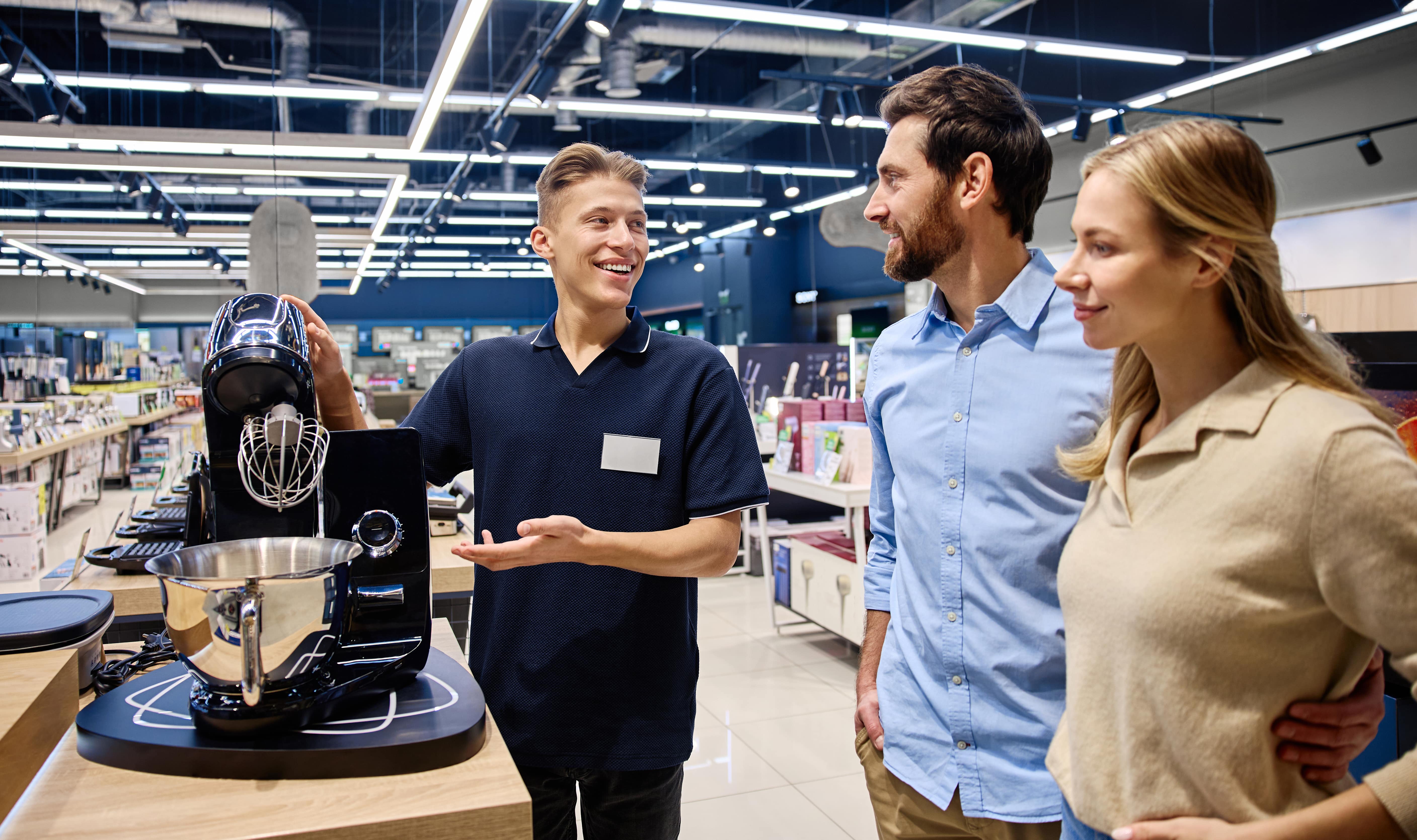
A familiar situation on the shop floor
Retail today is rich in data ranging from footfall counts, transaction histories, dwell time reports and dashboards. On paper, stores are more informed than they have ever been yet when you step inside many physical locations, the experience often feels unchanged. Layouts stay familiar, queues build at predictable times and staffing patterns rarely shift.
The issue is not that retailers lack insight, the issue is that insight often struggles to turn into action.
Collecting data is easy, acting on it is harder
Over the years, retailers have invested heavily in systems that capture behaviour. Tools like sensors measure movement, analytics platforms generate reports and dashboards summarise performance, all of this creates potential, but potential alone does not improve a store.

Data only becomes valuable when it influences a decision on the shop floor and until then, it remains static and in many organisations, insights live in reports that are reviewed briefly and then set aside as teams return to daily operational pressures. The information exists, but it feels disconnected from what staff need to do in the moment.
Where insight starts to lose momentum
One of the most common problems is that data arrives without clear direction. A dashboard might show that dwell time is falling or queues peak at certain hours, but it does not always explain what should happen next.
Retail teams operate at speed, so insights need to be practical and when data feels abstract or overly complex, it becomes background noise rather than a trigger for change.
Common reasons data stalls
Insights are shared without clear ownership
Reports focus on what happened, not what to do next
Teams feel unsure whether they are allowed to act
Information arrives too late to be useful

Each of these issues slows momentum, even when the data itself is accurate.
Ownership turns insight into action
Another reason change stalls is the lack of clear responsibility, analytics may sit with head office teams while action is expected in stores. In other cases, data is shared widely but no one feels accountable for turning it into improvement.
Which is why ownership plays an important role, when ownership is clear, things move faster. Teams know what they are responsible for, what they are allowed to test and how success will be measured. Data then becomes a support tool rather than a source of hesitation.
The fear of getting it wrong
There is also a quieter barrier at play. Fear.
When teams feel that every change must be backed by complete certainty, people stops experimenting and tend to wait for more validation, more analysis and more reassurance. Meanwhile, the customer experience stays exactly the same and opportunities are fading away.
The retailers that progress fastest treat data as guidance rather than judgement. Instead of using insight to justify large, irreversible changes, they use it to support small adjustments that are easy to test and easy to reverse.
Why small changes drive real progress
Meaningful improvement in retail rarely comes from a single large transformation, it comes from many small changes made consistently over time.
For example:
Adjusting staffing slightly during known peak periods
Moving a product display and observing how customers respond
Tweaking signage to make navigation clearer
Each change is modest, but each one teaches something. Over time, those lessons compound into noticeable improvement without disruption.
Making data useful in everyday operations
The data that gets used most often is simple, timely and directly connected to what is happening right now. Rather than tracking everything, successful retailers focus on a small set of signals that guide day-to-day decisions.
Insight | What it helps teams decide |
Peak footfall times | When to add staff or open more tills |
Dwell patterns | Where customers need more support |
Queue build-up points | When to intervene before frustration grows |
Underused areas | Where layout changes may help |
When teams see these signals regularly and understand how to respond, improvement becomes part of daily work rather than a special project.
Platforms like Merlin Cloud support this by connecting real-world behaviour to clear, usable insight. The goal is not more data, but data that fits naturally into how teams already operate.
Progress comes from movement, not measurement
Retail does not evolve because someone produces a better report. It evolves because someone feels confident enough to try something different, observe the result and adjust accordingly.
Data should encourage movement, not hesitation. When insight supports small, continuous changes, stores improve naturally. As Experiences feel smoother, teams feel more in control and customers notice the difference, even if they cannot explain exactly why.
Retail already has plenty of data, what's left is the opportunity now is to turn that data into motion.
If you are sitting on a lot of data but struggling to turn insight into action, you are not alone. The challenge is rarely collecting information, it is making it usable in everyday decisions.
Merlin Cloud helps retail teams connect real-world behaviour with clear, practical insight, so small changes become easier to test, learn from and scale. If you are curious about how your data could drive more meaningful change on the shop floor, we would love to explore it with you, check out more at merlincloud.ai