Introduction: A Year of Quiet Observations
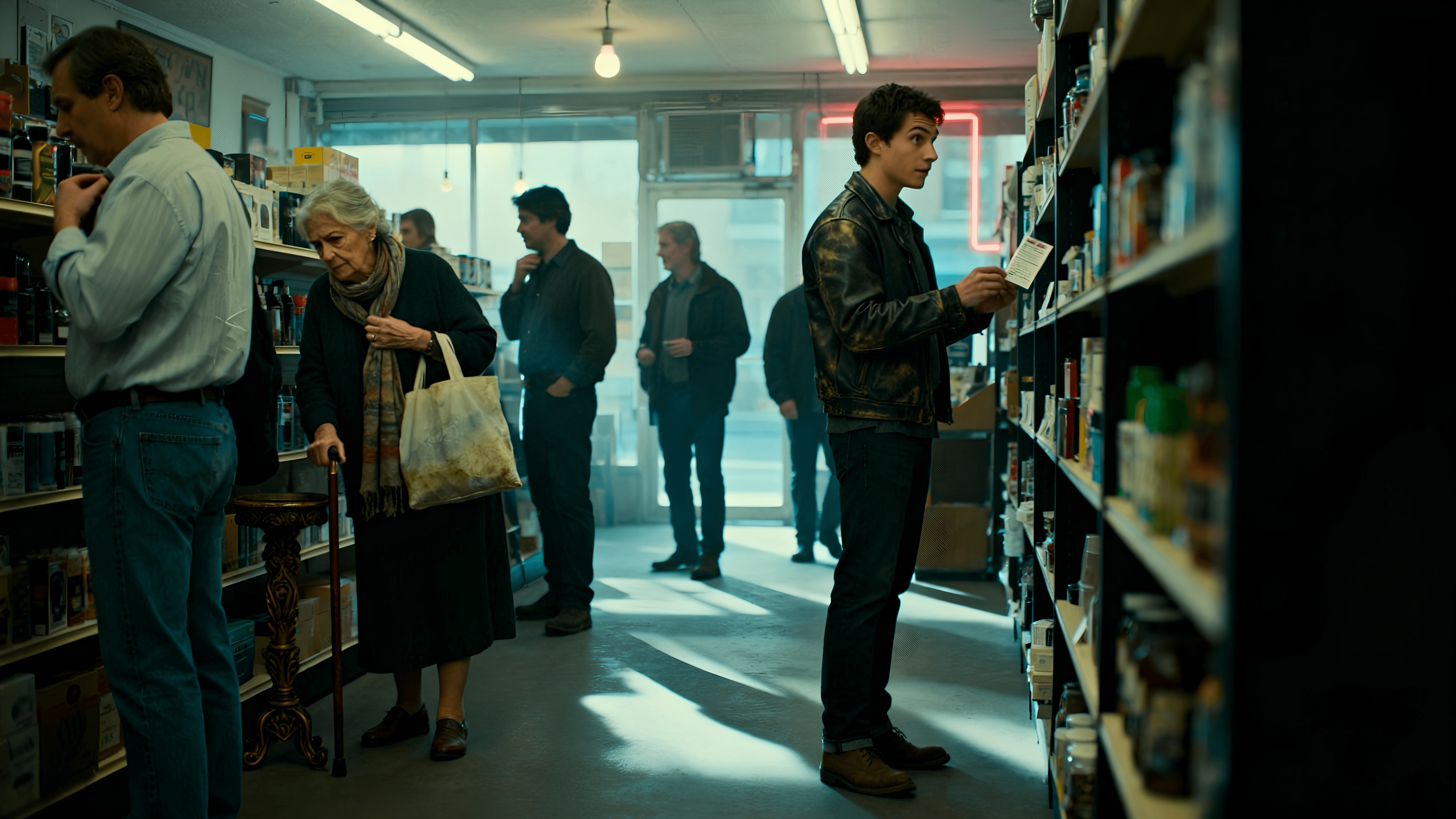
As the year winds down and stores get ready for holiday footfall, it’s a good time to look back at what really made a difference on the shop floor. Despite the talk of artificial intelligence and big data, many of the most valuable insights in retail came from something far simpler: watching customers move, act and react in real time.
Instead of relying solely on reports and dashboards, teams spent more time observing behaviour, making small changes based on what they saw and learning from the results. This shift from guessing to observing created surprisingly big wins.
Why Observation Beats Assumptions
Retail teams have spent years collecting data, from footfall counts to transaction histories. But numbers alone can’t tell you everything. For example, a report can show that dwell time in a section is low, but it can’t tell you why shoppers leave quickly. In 2025, many retailers discovered that standing on the shop floor with an attentive eye often gave them answers faster than any spreadsheet.
By watching how customers interacted with displays or where queues started forming, staff could see problems that weren’t obvious on paper:
Signage confusion: People hesitated and looked around when signs weren’t clear. Staff could see this and adjust sign placement immediately.
Congested areas: Customers avoided aisles that felt too narrow or cluttered. A quick rearrangement of fixtures opened up space and improved flow.
Underserved zones: Shoppers drifted away from corners that felt dark or uninviting. Adding lighting and moving popular items there increased traffic.
These observations translated into small, practical adjustments that improved both sales and customer satisfaction.
Lessons from Queues and Flow
Queues Speak Volumes
Queues are a pain point for shoppers and a source of valuable insight for retailers. The way people line up tells you a lot about staffing, layout and communication. Many stores learned this year that queues form not just because of high demand but because of small hiccups in process.
Lesson learned: Tidy processes, not just more staff.
Lesson learned: Tidy processes, not just more staff.
In several grocery chains, staff noticed that queues grew long when customers took extra time at self-checkout because they didn’t understand how to scan produce. Instead of adding more lanes, teams placed clear instructions on the screens and positioned a staff member nearby to help. Eventually, Queue times dropped without increasing labour costs.
Flow Reveals Comfort
Observing the movement patterns of shoppers provided clues about comfort. Customers lingered longer in areas with natural light and wide aisles, but hurried through narrow or poorly lit corners. One department store redesigned its homeware section after noticing shoppers walked in a wide arc around a densely packed table. By replacing bulky furniture with open shelving, they invited people to explore at a relaxed pace, leading to higher dwell time and conversion.
Small Changes, Big Impact
One of the year’s most useful lessons was that improvements didn’t need to be dramatic to be effective, Sometime small tweaks often produced outsized results.
Examples of Effective Adjustments
Product positioning: Moving a high-demand item from the back of the store to eye level near the entrance increased sales of related products because more shoppers discovered them.
Staff rotation: Instead of assigning staff to the same sections all day, rotating them every hour kept energy levels up and improved customer interaction in quieter zones.
Seating availability: Adding a few benches next to fitting rooms reduced the number of abandoned baskets by giving companions a place to wait comfortably.
These changes were easy to implement and reversible, but they each addressed specific observations about customer behaviour.
Table: Observed Behaviours and Responses
Observed Behaviour | Response | Outcome |
Shoppers hesitated at unclear signage | Improved sign placement and wording | Reduced confusion; smoother flow |
Queues spiked due to self-checkout use | Added clear instructions at machines | Shorter queues without extra staff |
Customers avoided dark corners | Added lighting and relocated popular items | Increased traffic and sales in underused areas |
People bypassed narrow aisles | Widened aisles and decluttered displays | Longer dwell time and higher basket sizes |
Shoppers left baskets near fitting rooms | Provided seating for waiting companions | More completed purchases; fewer abandoned baskets |
Trusting What You Can See
There’s a confidence that comes from direct observation. Data still plays a crucial role in measuring outcomes, but people who work on the floor often feel more comfortable acting on what they can see and explain. When a team member can point to a specific behaviour and say, “We see customers turning away here because it’s too dark,” that insight is more compelling than a report showing a drop in sales in that area.
This trust in visible behaviour also builds a culture of continuous improvement. Staff feel empowered to suggest and test changes because they know their observations matter. Managers can act quickly because the evidence is clear and immediate. Over time, this creates a virtuous cycle where small observations lead to small experiments, which lead to learning and improvement.
Carrying the Lessons into the New Year
As you prepare for the post-holiday lull and the start of a new year, take time to reflect on what you’ve learned from watching your customers. How did they move through your space? What made them pause? Where did frustration appear?
Here are a few ways to put those lessons to work:
Schedule Observation Time: Encourage staff to spend part of their shift just watching customer behaviour. Give them a simple form or app to note observations and ideas.
Act on One Insight at a Time: Instead of planning major overhauls, choose one small change based on what you’ve seen, test it for a week and track the effect.
Share Stories: Create a weekly huddle where team members share what they observed and what they tried. Celebrate successes and learn from experiments that didn’t work.
Use Data to Measure, Not to Decide: Continue collecting data, but use it to confirm your observations, not to replace them. When you see something on the floor, check the numbers to see if it lines up.
A Subtle Role for Technology
This doesn’t mean technology has no role. Platforms like Merlin Cloud quietly support this observational approach by making it easy to capture patterns (footfall, dwell time, heatmaps) without overwhelming staff with numbers.
When insights appear in a clear, timely way – for example, by highlighting where queues consistently form or where traffic slows – they help teams focus on the behaviours that matter most. Ultimately, our goal is not to replace human observation, but to enhance it and make action easier.
Conclusion: Watching Leads to Wonder
2025 showed that retail progress often comes from pausing to look, not rushing to act. By watching rather than guessing, retailers discovered where small changes made a big difference. Observation turned into action, and action turned into improvement, as we head into the festive season and look ahead to 2026, keep watching. The next insight could be right in front of you.
Start your journey with occupancy tracking today, discover the what's possible with Merlin Cloud at merlincloud.ai